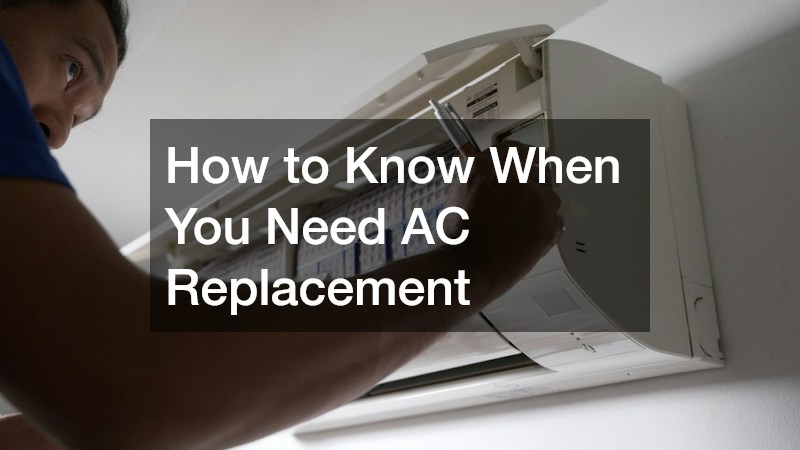
Understanding when to replace your AC unit is crucial in maintaining a comfortable and energy-efficient home. In this article, we explore the key indicators and frequently asked questions regarding AC replacement. Recognizing when it’s time for a new unit can prevent unnecessary energy expenditures and discomfort during peak seasons.
Many homeowners overlook the warning signs until it’s too late, resulting in costly emergency replacements.
Identify Key Indicators of Aging
One of the most apparent signs that you need an AC replacement is the unit’s age. Air conditioning units typically last years, and if your unit is approaching or exceeding this range, it’s likely time to consider a replacement. Frequent repairs are another major indicator; if your unit demands constant maintenance, the cumulative repair costs could easily surpass the price of a new unit. Moreover, inconsistent temperatures throughout your home suggest that your AC might be struggling to maintain its efficacy. This inefficiency not only affects comfort but also increases energy bills significantly.
Strange noises or foul odors emanating from your AC unit are red flags that should not be ignored. Unusual sounds like grinding, squealing, or banging can indicate mechanical issues that might necessitate a system overhaul or replacement. Foul odors could result from mold or electrical issues, both of which can pose health hazards.
Understand Replacement Timelines
The general guideline for AC replacement is every 10 to 15 years, depending on the unit’s usage and maintenance history. However, this timeline can vary significantly based on several factors such as climate, brand, and technological advancements. Newer models often offer superior energy efficiency and modern features, making them compelling options for early replacement. Regular maintenance, including periodic inspections and cleaning, can extend the lifespan of an AC unit, but eventually, the cost-benefit analysis will lean toward replacement. It’s key to monitor your unit’s performance and seek advice from trusted HVAC professionals.
Usage patterns significantly impact how often an AC unit needs replacing. In warmer climates or regions where the air conditioning is used year-round, an AC unit might need replacement closer to the 10-year mark. Conversely, in cooler climates where usage is more seasonal, units might last longer, closer to the 15-year recommendation.
Evaluate Replacement Costs and Factors
The cost of AC replacement can vary widely based on several factors, including the size and type of unit, installation complexity, and geographic location. Larger homes require units with greater capacity, which naturally increases both equipment and installation costs. The complexity of the installation, such as ductwork modifications or system zoning, can further add to the overall cost. Additionally, high-efficiency models or units with advanced features like smart thermostats generally come with a higher price tag. Location also plays a significant role, as labor costs and local regulations can affect installation expenses.
The brand and model of the AC unit significantly impact the replacement cost. Premium brands with strong track records for reliability and customer service might be more expensive upfront but offer longer warranties and potentially greater long-term savings. It’s essential to balance initial costs with prospective energy savings and reliability to make an informed decision.
Discover the Benefits of Replacement
Replacing an old AC unit offers multiple benefits, including improved energy efficiency, enhanced indoor air quality, and increased reliability. Modern AC units are designed to meet higher efficiency standards, often consuming less energy while providing better cooling, which can result in significant cost savings over time. New systems often incorporate the latest air filtration technologies, which can reduce dust, allergens, and other airborne contaminants, promoting a healthier living environment. Reliability also improves with new units, minimizing the risk of unexpected breakdowns and costly repairs. It’s an investment that can provide peace of mind alongside economic benefits.
An often overlooked advantage of AC replacement is the improved environmental impact. Modern AC units use eco-friendly refrigerants, reducing their contribution to ozone depletion and global warming potential. As HVAC technology continues to advance, newer systems tend to have smaller carbon footprints compared to their predecessors.
Replacing an AC unit is a significant investment, but understanding when to make this change can result in long-term savings and improved comfort. By considering the signs and evaluating the benefits, homeowners can make informed decisions about their AC systems. Energy efficiency, superior technology, and enhanced living conditions are among the compelling reasons to replace an old unit. Keeping abreast of industry developments and maintaining regular unit maintenance can help optimize performance and prolong the lifespan of a new system.