Maintaining your HVAC system is essential to ensure a comfortable and healthy indoor environment. Regular maintenance not only prolongs the lifespan of the equipment but also enhances its efficiency, thereby saving costs in the long run. Recognizing the signs of needed repairs is crucial in preventing minor issues from escalating into significant, costly problems that can disrupt your comfort and safety.
The HVAC system functions at its best when routinely checked and serviced, allowing early detection of potential faults. Addressing these faults promptly can prevent breakdowns during peak seasons when you need your system the most.
This introduction will guide you through the common signs that your HVAC system may need professional attention.
Ignoring these signs can lead to more significant issues, such as complete system failure or even issues that might affect your health, like poor indoor air quality. Investing time in understanding these warning signals ensures you take proactive measures to keep your HVAC system in top condition. Now, let us delve into the specific signs indicating your HVAC system might require repair.
1. Why is my HVAC system making strange noises?
Unusual noises coming from your HVAC system can be alarming and are one of the first signs that something might be wrong. Common sounds like clanging, banging, or screeching often indicate mechanical problems that need immediate attention. For instance, a rattling noise might suggest loose components, while buzzing could be a sign of an electrical malfunction. Hearing a hissing noise might mean there’s a refrigerant leak somewhere in the system. Addressing these sounds quickly can help prevent further damage to your HVAC components.
Additionally, noises may originate from larger issues that can impact the efficiency and safety of the system. The moment you notice these unusual sounds, it is advisable to contact a professional HVAC technician for diagnosis and repair. Ignoring the noises can lead to more significant problems that might escalate into expensive repairs or even necessitate a complete system replacement. Regular maintenance can serve as a preventive measure against such issues by ensuring all parts are secure and working adequately. Ultimately, being attuned to these sounds empowers you to act swiftly, preserving the longevity of your HVAC system.
In some cases, the age of your HVAC system might also influence the noises you hear. Older systems may naturally produce more sounds as their components wear out over time. Despite this, any sudden change in the type or volume of noise should be treated as a potential problem. Remember, strange noises are often a prelude to more pressing issues, and early detection can save you worries and money in the long run. Thus, always keep an ear open for these audible signs to ensure continuous comfort in your home.
2. Why isn’t my HVAC system heating or cooling properly?
If your HVAC system is struggling to maintain the desired temperature, it might be indicative of underlying issues. Poor performance could stem from various causes, such as clogged filters, malfunctioning thermostats, or refrigerant leaks. The efficiency of your heating or cooling is crucial, as inadequate temperature regulation can significantly affect your home’s comfort levels. This issue might also suggest that your unit is aging and losing its capabilities, emphasizing the importance of regular check-ups. Addressing these problems early ensures your system continues to perform at its optimal level.
Often, uneven heating or cooling in different areas of your home is another telltale sign of HVAC troubles. This inconsistency can occur due to blocked vents, air ducts in need of cleaning, or incorrect system sizing. Routinely inspecting air filters and ensuring ducts are clean can effectively address these specific issues. Moreover, if your thermostat is not accurately reading or communicating with your system, it might need recalibration or replacement. Periodic checks safeguard against uneven temperatures that can lead to higher energy consumption and uncomfortable living conditions.
Beyond the immediate inconvenience, faulty temperature control often results in increased utility bills. As your HVAC system works harder to regulate temperatures, it consumes more energy, leading to higher electricity costs. Consequently, routine maintenance is essential to identify and rectify problems affecting temperature regulation. Prioritizing these inspections will not only enhance your system’s performance but also lead to cost savings in the long term by reducing energy usage. An efficiently running HVAC system guarantees a consistent and comfortable environment throughout your home.
3. Why does my energy bill keep going up?
An unexpected rise in your energy bill can often point to your HVAC system’s inefficiency. When your system is not operating smoothly, it has to work harder to maintain comfortable indoor temperatures, leading to increased energy consumption. Dirty components, clogged filters, or malfunctioning parts can cause such inefficiencies, highlighting the need for routine maintenance checks. Anomalies in energy consumption not only affect your monthly expenses but also indicate your HVAC system might need a comprehensive check. Addressing these inefficiencies promptly ensures cost-effective energy use and prolongs your system’s life span.
Several elements within your HVAC system can contribute to higher energy bills if not functioning correctly. For example, a faulty thermostat might cause the system to run longer than necessary, increasing your energy usage without improving comfort. Insufficient insulation can also result in energy loss, forcing your HVAC unit to operate more frequently to compensate. Regularly checking and updating your insulation, along with servicing your thermostat, can mitigate these unnecessary costs. By addressing these factors promptly, you can control your energy bills while maintaining optimal temperature regulation.
In addition to increased energy costs, frequent system cycling further degrades your HVAC components, leading to more frequent repairs and premature replacement. Recognizing these signs early allows you to invest in timely repairs that restore efficiency and reduce wasteful energy consumption. This kind of proactive maintenance also helps detect less obvious problems, like slow refrigerant leaks, that gradually contribute to increased energy usage. Optimally functioning systems ensure you retain control over your expenses while enjoying a comfortable home environment. Therefore, monitoring your energy bills closely can be an effective strategy to ensure your HVAC system is operating efficiently.
4. Why does my house smell musty or unusual?
Unpleasant odors emanating from your HVAC system can suggest several underlying issues that need addressing. Musty smells often result from mold or mildew growth within the system, typically due to moisture build-up. Mold not only affects air quality but can also pose health risks, making it necessary to investigate and resolve the cause promptly. Regularly cleaning and maintaining your HVAC unit minimizes the risk of mold growth, ensuring clean and healthy indoor air. Pest infestations within your system can also produce unusual smells, further emphasizing the need for routine inspections.
Moreover, electrical odors might signify overheating components or burnt wires needing immediate professional attention. Exposure to such issues can lead to system failure or even potential fire hazards, stressing the importance of never ignoring these olfactory signals. By enlisting the help of a certified HVAC technician, you can diagnose and repair these electrical concerns, ensuring safe and effective system operations. Maintaining a regular service schedule further helps in preventing these problems from occurring in the first place. An odor-free HVAC system contributes to a more comfortable and healthier living environment, making it a priority for all homeowners.
In some instances, unpleasant odors may originate from accumulated dirt and debris in air filters or ducts. Regularly changing the air filters and ensuring the ducts are clean can effectively combat these issues. A professional duct cleaning service can be invaluable in cases where dirt and grime have significantly built up, potentially hindering efficient airflow. Maintaining this aspect of your HVAC system not only ensures pleasant indoor air but also enhances the overall efficiency of the system. Ultimately, being attentive to unusual odors can ensure a healthy living environment and the continued performance of your HVAC system.
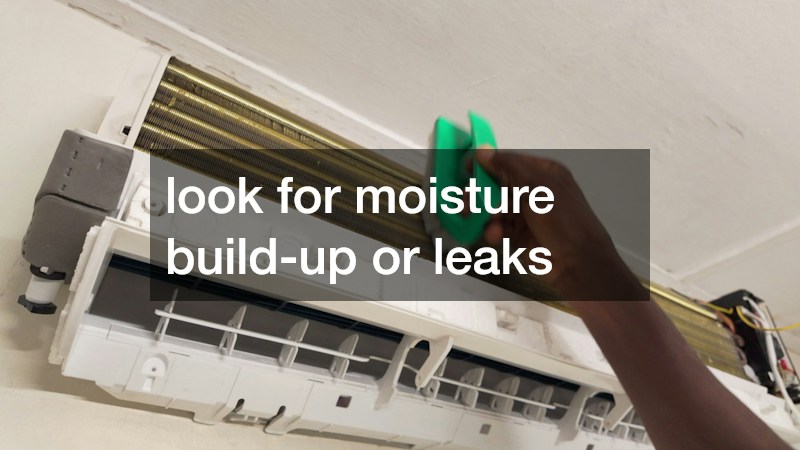
5. Why is there moisture build-up or leaks around my HVAC system?
Moisture build-up or leaks around your HVAC system are significant warning signs that should not be overlooked. These can result from blocked or broken drain pipes, which are integral to removing condensation produced during the system’s operation. Failure to address these issues can lead to excessive moisture build-up that fosters mold and mildew growth within your home. Such excess moisture not only damages your property but also jeopardizes your indoor air quality. Ensuring regular maintenance checks can quickly identify and resolve drainage problems, keeping your system efficient and your home environment safe.
In addition to blocked drains, leaks may indicate refrigerant issues within your HVAC system, needing HVAC repair. A refrigerant leak needs immediate attention, as it compromises system efficiency and could result in higher energy costs and insufficient heating or cooling. Moreover, refrigerants can be harmful to the environment, making prompt repair necessary not only for operational efficiency but also for ecological responsibility. Professional technicians can accurately detect refrigerant leaks and ensure properly sealed lines, keeping your system running smoothly. Regular monitoring and maintenance prevent leaks from escalating into costlier repairs or replacements.
With HVAC systems, even minor leaks can herald major issues if left unchecked. Unresolved leaks can cause water damage to surrounding areas, incite structural compromises, or damage electrical components, leading to potential system breakdowns or fire hazards. Recognizing and addressing these early signs help mitigate the risk of severe damage, keeping costs low and operational efficiency high. Comprehensive inspections can preempt moisture-related concerns, ensuring your system remains a reliable cornerstone of comfort in your household. Proactive management of leaks preserves the lifespan and functionality of your HVAC system, safeguarding your investment for years to come.
Understanding and identifying the signs that your HVAC system needs repair is crucial for maintaining efficiency and comfort in your home. Strange noises, insufficient heating or cooling, rising energy bills, unusual odors, and moisture build-up or leaks are key indicators that professional intervention may be required. Timely maintenance and prompt repairs not only protect your investment but also enhance the performance and longevity of your system.
Regular maintenance checks and early detection of problems can save you from costly repairs and energy wastage, ensuring your system operates flawlessly throughout the year. Prioritizing these actions means ensuring a comfortable, healthy, and energy-efficient home environment. By staying vigilant and proactive, you can reduce the likelihood of unexpected breakdowns and costly emergencies.
Adopting a preventative approach in caring for your HVAC system fosters a durable and reliable unit that supports your comfort needs seamlessly. Remember, addressing the smallest signs promptly can save you substantial time and resources in the long term. Keep your HVAC system in optimal condition through consistent monitoring and professional support, securing a serene and enjoyable living space for you and your loved ones.