
Purchasing a home is likely the single largest financial transaction of your lifetime. During the exciting process of touring beautiful properties, discussing interior design, and planning your move, it is incredibly easy to be swept away by cosmetics. A fresh coat of paint, modern light fixtures, and staged furniture can easily mask significant underlying issues. However, once the closing papers are signed, any hidden structural, mechanical, or legal problems become your sole physical and financial responsibility. Entering into a purchase contract without a thorough, systematic evaluation of the property’s bones is an incredibly risky gamble that can cost you tens of thousands of dollars in unexpected repairs.
A standard walkthrough with your real estate agent is simply not designed to uncover hidden defects. To truly protect your assets, you must approach the due diligence period with an analytical, objective mindset. This means diving deep into the house’s primary systems, checking its physical boundaries, and evaluating the safety of its surrounding landscape. By breaking down your pre-purchase inspection into clear, organized categories, you can uncover structural vulnerabilities, negotiate fair seller concessions, and move forward with absolute confidence that your new home is a safe and stable environment.
Evaluating the Heating, Cooling, and Property Boundaries

The mechanical systems that regulate your home’s indoor climate are among the most expensive components to repair or replace. When touring a potential home, you should never assume the heating and cooling systems are in perfect working order just because the air feels comfortable during a brief walkthrough. It is vital to check the physical age of the furnace and the outdoor compressor unit, look for signs of rust or neglect, and ask the current owners for comprehensive service records. A system that has been ignored for years will likely fail shortly after you move in.
To ensure your indoor climate systems are fully functional, you should consider bringing in a specialist. Hiring a professional who specializes in air conditioning contracting allows you to run advanced diagnostics that a general home inspector might miss, such as testing the compressor’s electrical draw, checking the refrigerant charge, and inspecting the heat exchanger for dangerous hairline cracks. These detailed tests ensure you will not be faced with an expensive HVAC replacement on your very first summer afternoon in the new house.
While securing your indoor comfort is essential, you must also look outward and establish the legal boundaries of the physical land you are purchasing. Over decades, neighbors often build fences, pour driveways, or install garden beds that inadvertently encroach on adjacent parcels. Relying on older property lines can lead to stressful legal disputes with your new neighbors.
Commissioning a professional team to perform land surveying before closing is the only definitive way to establish your exact property lines. This process maps out all easements, municipal setbacks, and true property dimensions.
- Locate all legal property corners and look for physical survey pins or stakes to verify that existing fences align perfectly with the property lines.
- Review the preliminary title report alongside the boundary map to identify any utility easements or shared access driveways on the parcel.
- Ask your surveyor to specifically note if any neighboring structures, such as sheds or garages, cross over your potential property lines.
- Verify that any physical additions made by the current sellers, such as a backyard patio or a retaining wall, comply with local municipal setback rules.
Mapping Legal Lines and Securing Property Capital
Once the initial boundary work is underway, you must work closely with your real estate team to interpret the legal documents that define your property. If your boundary map reveals that a neighbor’s fence or driveway extends onto the land you are trying to buy, this issue must be formally resolved before closing. Your title insurance policy may exclude coverage for known boundary disputes, meaning you would have to pay out of pocket to resolve the issue later. Having a licensed surveyor physically mark the corners and prepare an updated legal description protects your title and prevents future boundary conflicts.
If you are looking at a property with significant acreage, or if you plan to purchase a vacant adjacent lot to build on later, you will also need to navigate the financial side of land acquisition. Traditional mortgages are designed for finished residential homes, which means you may need to seek out specialized financing for land if you are purchasing raw acreage or planning immediate expansions. Land loans typically require higher down payments and have different interest rates because lenders view undeveloped land as a higher-risk asset. Understanding these financial structures early ensures you have the necessary capital to close the deal.
Regardless of whether you are buying a suburban tract home or a sprawling rural estate, your home purchase should always be treated as a calculated financial asset. When you approach this transaction not just as a place to live, but as a long-term investment, your perspective on property maintenance changes. Every structural defect you identify during the inspection phase represents a direct threat to the equity you hope to build over time. Making sure the home is structurally sound from day one ensures that your capital is preserved and that your asset will steadily appreciate in value.
- Discuss specialized loan options with your lender if you plan to subdivide the land or build additional accessory dwelling units on the property.
- Examine the soil quality and stability reports, especially if the home is built on a steep slope or in an area prone to sinkholes.
- Evaluate how local zoning laws and future municipal development plans might impact your property’s value and privacy over the next decade.
- Confirm that all structures on the parcel, including finished basements and detached workshops, have proper building permits on file with the county.
Assessing the Shell – Roofing and Structural Protection
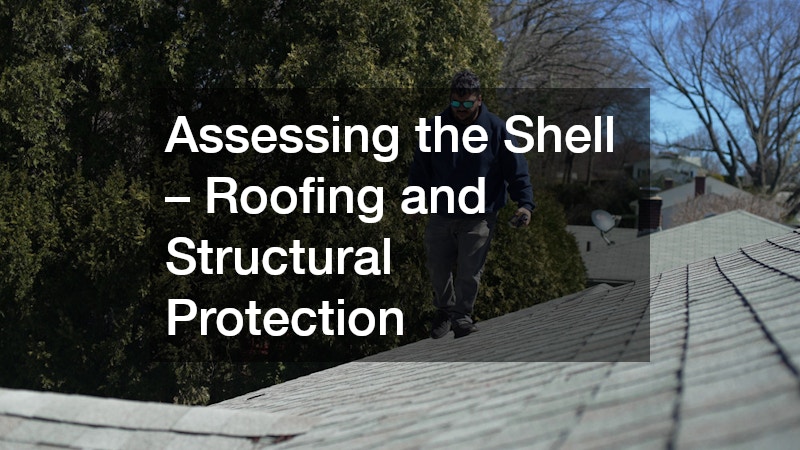
After securing your property lines and your financing, your focus should return to the physical home, starting at the absolute top. The roof is your home’s primary shield against rain, snow, wind, and solar heat. If a roof is compromised, water will slowly seep into the attic, rotting the wooden rafters, destroying the ceiling drywall, and encouraging the growth of toxic mold behind your walls. Inspecting the overall condition of the roof is one of the most critical steps in your pre-purchase journey.
As you evaluate the roof, it is important to distinguish between minor wear and major structural failures. In some cases, a home may only need simple, localized roof repairs, such as replacing a few damaged shingles, resealing the chimney flashing, or repairing a minor leak near a valley. These localized fixes are relatively inexpensive and can easily be completed before you move in. However, if the roof shingles are buckling, curling, or showing widespread granule loss, it indicates that the entire roofing material has reached the end of its useful lifespan.
If the roof is near the end of its life, you must prepare yourself for the substantial cost of complete residential roof replacement. A full roof tear-off and installation is one of the most expensive home improvement projects a homeowner can undertake. If your home inspector determines that the roof is failing, you can use this information to negotiate a significant price reduction or ask the sellers to pay for the replacement out of their proceeds before closing, ensuring your new home is dry and secure.
- Look for dark water stains, soft spots, or active dripping on the underside of the roof decking inside the attic space.
- Inspect the valleys of the roof, where two slopes meet, to ensure they are lined with metal flashing and are completely free of leaf debris.
- Check the age of the roof; most asphalt shingle roofs last between fifteen and twenty-five years, depending on the local climate and ventilation.
- Examine the gutter connections along the roofline to make sure water is directed away from the fascia boards and foundation.
Evaluating Professional Roofing Assessments

While a general home inspector can spot obvious roofing defects from the ground or from a ladder at the eaves, they are not roofing specialists. Most general inspectors will explicitly recommend a secondary, specialized evaluation if they spot any signs of wear, standing water, or improper installation. Because the roof is such a critical and expensive component of the home, relying solely on a basic home inspection report is a risk you should avoid during your due diligence period.
To get an accurate assessment of the roof’s remaining lifespan and a realistic estimate for any needed repairs, you should hire a licensed roofing contractor to perform a dedicated inspection. A specialized professional will physically walk the entire roof, evaluate the integrity of the underlying decking, check the attic ventilation, and inspect the flashing around chimneys, skylights, and vent pipes. Having a formal, written estimate from a licensed specialist gives you incredible leverage when negotiating repair credits or price reductions with the home sellers.
- Request a written roof certification from the specialist, which some insurance companies require before they will write a homeowners policy on an older home.
- Ensure the specialist checks the attic ventilation, as poor ventilation traps heat and moisture, which cooks the shingles from underneath and cuts their life in half.
- Verify that any prior roof repairs were completed professionally and with matching materials rather than cheap, temporary patches.
- Ask the specialist if the current roof can support a secondary layer of shingles, or if a complete tear-off of all existing layers is required.
Investigating the Landscape and Canopy Safety
Once you have thoroughly evaluated the home’s structure from the foundation to the roof ridge, you must turn your attention to the surrounding grounds. The outdoor landscape does much more than provide curb appeal; it acts as a water mitigation system for your home’s foundation. The grading of the soil should always slope away from the concrete foundation to prevent rainwater from pooling against your basement walls, which can lead to structural cracks and interior flooding over time.
Evaluating the existing yard features requires a careful look at the current landscaping and turf care. If the property features complex retaining walls, extensive garden beds, or automated irrigation networks, you must verify that these systems are functioning properly and are not channeling water toward your home. If the property has been vacant for some time, the landscape maintenance services may have been neglected, leaving you with overgrown bushes that trap moisture against your siding, clogged drainage channels, or failing sprinkler heads that need immediate replacement.
Finally, you must look up and evaluate the health and position of the mature trees on the property. While beautiful, mature trees can present significant structural hazards if they are ignored. Dead, dying, or diseased branches hanging over the roofline can snap during a storm, causing severe damage to your new shingles and rafters. To properly evaluate these risks and determine if you need to budget for professional tree service work to trim back dangerous limbs or remove hazardous trees, you should consult with an arborist before closing your purchase.
- Turn on the lawn sprinkler system to verify that no spray heads are directing water directly onto the home’s siding, windows, or wooden decks.
- Look for large, surface-level tree roots that are growing close to the concrete foundation, driveway, or underground plumbing lines.
- Inspect the health of mature trees, looking for hollow trunks, peeling bark, mushroom growth at the base, or large dead branches in the canopy.
- Check the grading around the perimeter of the foundation to ensure there is a clear slope away from the home’s concrete walls.
Moving Forward With Absolute Confidence

Completing a thorough pre-purchase inspection of your potential home is a detailed, time-consuming process, but it is the only way to protect your physical safety and your financial future. By systematically checking the indoor climate systems, verifying your legal boundaries, evaluating the integrity of the roof, and managing the risks in your landscape, you can transform a highly stressful real estate transaction into a confident, organized, and successful step toward homeownership.
Your home is much more than a beautiful coat of paint or an open floor plan; it is a complex physical structure that requires ongoing care and preservation. Entering into your home purchase with your eyes wide open ensures you will not be surprised by expensive, emergency repairs shortly after moving in. By using your due diligence period wisely, working with trusted professionals, and negotiating necessary repairs before you sign the final closing documents, you can ensure that your new home remains a safe, comfortable, and valuable asset for you and your family for many years to come.