
Buying a home naturally pulls attention toward what is easy to see: the kitchen, the floor plan, the backyard, the flooring, and the amount of natural light in each room. Those details matter, but they rarely show what the home will actually cost after closing.
A home inspection helps buyers look past appearances and understand the property’s real condition. It can reveal repairs that may affect negotiations, budgeting, insurance, safety, and long-term ownership costs. The goal is not to find a flawless house. Most homes have issues. The value of an inspection is learning which issues are normal, which are negotiable, and which could become expensive if ignored.
For buyers trying to make a smart financial decision, the inspection is not just a box to check. It is one of the few moments in the process when they can slow down, ask detailed questions, and compare the home’s condition against the price they are preparing to pay. That pause can be especially valuable in a competitive market, where buyers may feel pressure to move quickly or overlook concerns because they do not want to lose the property.
Using the Report To Negotiate Smarter

A home inspection report gives buyers facts they can use during negotiations. Instead of asking for vague concessions, buyers can point to specific findings and request repairs, credits, or price adjustments.
For example, an hvac inspection may reveal aging equipment, weak airflow, poor maintenance, or safety concerns. That information can help buyers decide whether they need a specialist opinion or a seller credit before closing. Likewise, a termite inspection can uncover hidden wood damage, active activity, or moisture conditions that may lead to future problems.
The key is to focus on findings that affect cost, safety, and livability. Cosmetic flaws are usually less important than issues involving major systems, hidden damage, or structural risk. A seller may not agree to fix every small item, but a documented problem with a costly system can change the conversation.
A practical way to review the report is to sort findings into three groups:
- Safety or livability concerns
- Expensive repair or replacement risks
- Routine maintenance items
This keeps negotiations focused and helps buyers avoid overreacting to a long report. It can also make conversations with an agent more productive, because everyone can focus on the items that truly affect the value and risk of the purchase.
Identifying Comfort Problems Before They Grow
Heating and cooling problems can be easy to miss during a short showing. A house may feel comfortable for 20 minutes, but that does not prove the system performs well in extreme weather or heats and cools the home evenly.
Inspection notes about loud operation, short cycling, weak airflow, unusual smells, or uneven temperatures deserve attention. These signs may point to future ac repair costs, especially if the system is older or poorly maintained. Heating issues matter just as much. Ignition problems, rust, inconsistent heat, or missing maintenance records may suggest furnace repair expenses after move-in.
Buyers should ask direct questions:
- How old is the equipment?
- Are service records available?
- Has the system needed repeated repairs?
- Did the inspector recommend further evaluation?
This is where inspections can prevent a costly surprise. A buyer who uses most of their savings to close may not be prepared for an urgent heating or cooling repair a few months later. Even when the system is still operating, knowing its condition helps buyers decide whether to negotiate now, set aside money, or schedule maintenance immediately after moving in.
Checking the Exterior Before Water Moves Inside
The exterior protects the home from water, weather, pests, and structural wear. When exterior problems are ignored, damage often moves indoors. A small roof leak can become stained drywall, damaged insulation, or mold. Poor drainage can lead to basement moisture. Cracked masonry can let water enter slowly over time.
Roof findings deserve close review. Missing shingles, damaged flashing, sagging areas, soft spots, or attic moisture may point to future residential roof repair needs. Buyers should ask whether the issue is minor maintenance or a larger concern that could lead to interior damage.
Chimneys can also hide expensive problems. A fireplace may look charming inside, while the exterior masonry, cap, crown, flashing, or liner is deteriorating. Cracked mortar, leaning sections, missing caps, or damaged brick may eventually require chimney restoration.
Buyers should connect exterior findings with interior clues. If the report mentions roof wear, look for ceiling stains, attic moisture, musty smells, or patched drywall. Water damage rarely stays isolated, which is why exterior issues can become so expensive. Even a small stain should prompt buyers to ask whether the source was repaired or simply covered up.
Understanding Hidden Plumbing Risks Early
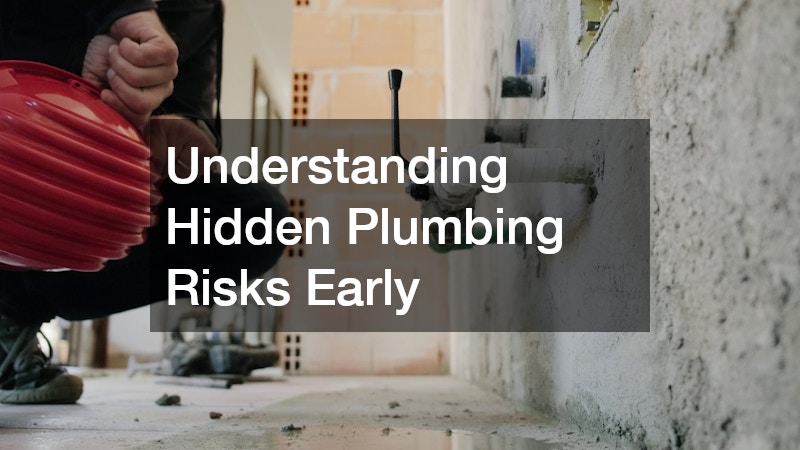
Plumbing can be difficult to evaluate because much of the system is behind walls, under floors, or underground. A faucet may run normally during a showing, but that does not guarantee the full system is healthy.
Inspectors may notice warning signs such as slow drains, low water pressure, water stains, old pipes, moisture near fixtures, or evidence of past leaks. Some issues are manageable, but others can be disruptive and expensive.
Underground drainage problems are especially important. Slow drains throughout the home, sewage odors, gurgling sounds, large trees near the line, or a history of backups may suggest the need for sewer line repair. A general inspection may identify warning signs, but older homes or properties with mature trees may also benefit from a separate sewer scope.
Finding these risks before closing gives buyers options. They can negotiate, request further evaluation, or decide whether the home still makes financial sense. Once the home is purchased, the same problem becomes the buyer’s responsibility, often with less time to compare estimates or plan around the disruption.
Evaluating the Home’s Readiness for Real Life
An inspection also helps buyers understand whether the home fits their daily needs. A property may be structurally sound but still require upgrades to support the way a household actually lives.
Electrical capacity is a good example. Buyers may work from home, use high-demand appliances, charge multiple devices, or live in areas where outages are common. After reviewing inspection findings, some buyers may start researching generators for sale because the home lacks backup power or storm-readiness.
The inspection can also reveal outdated panels, amateur wiring, overloaded circuits, or missing safety features. These findings may not always be deal-breakers, but they help buyers understand future costs.
This is not about expecting the seller to upgrade every feature. It is about knowing what the home may require after closing so buyers can plan realistically. A home that looks affordable on paper may feel much more expensive if the buyer immediately needs electrical improvements, safety updates, or backup power planning.
Estimating First-Year Costs With Clear Priorities
The purchase price is only one part of what a home costs. The first year often brings repairs, tools, utility setup, maintenance visits, furniture, landscaping needs, and seasonal expenses.
The inspection report can help buyers create a realistic first-year budget. For example, an air conditioning system may be working but still show signs of weak performance, poor maintenance, or aging parts. Those findings could lead to cooling repair expenses later, even if the system does not need immediate replacement.
A helpful approach is to turn the report into a timeline:
- Before closing: Safety hazards, active leaks, major defects
- First 30 days: Issues affecting comfort, security, or daily function
- First 6 months: Preventive maintenance and specialist evaluations
- First year: Budgeted repairs and nonurgent improvements
This prevents buyers from spending too much on cosmetic upgrades while more important maintenance issues get worse. New homeowners often want to personalize the space right away, but the inspection report can help them decide whether repairs should come before new furniture, paint, or decorative updates. In many cases, postponing a cosmetic project for a few months can make room in the budget for repairs that protect the home’s condition.
Recognizing Structural Warning Signs Without Guessing
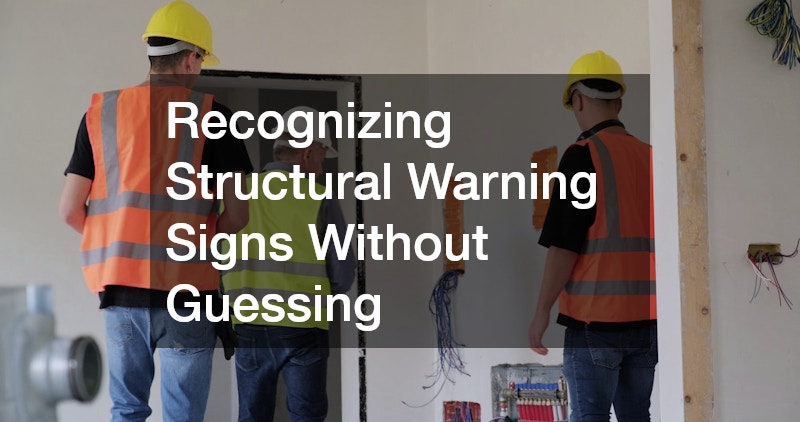
Structural concerns can make buyers nervous, but not every crack means the same thing. Some cracks come from normal settling, while others may suggest movement, moisture, drainage problems, or serious structural stress.
Inspectors may point out uneven floors, sticking doors, wall cracks, bowing basement walls, gaps around windows, or moisture near the base of the home. If the cause is unclear, buyers should take recommendations for further evaluation seriously.
In some cases, foundation repair may be needed to stabilize the home or address the source of movement. That can affect the buyer’s budget, resale value, insurance considerations, and future renovation plans.
The smartest approach is to avoid guessing. Buyers should look at patterns, not isolated details. A small crack may be minor, but cracks combined with moisture, sloping floors, and exterior drainage issues deserve closer attention. It is better to ask a specialist before closing than to discover later that the issue is larger than expected.
Bringing in Specialists When the Findings Require It
A general home inspection is broad, but some findings require deeper expertise. Buyers should not hesitate to bring in specialists when a major system is old, unsafe, poorly maintained, or potentially expensive to repair.
Further evaluation is especially useful when the inspection report includes language such as “recommend evaluation by a qualified contractor.” A specialist can provide clearer answers, repair estimates, and documentation buyers can use during negotiations.
This does not mean every small issue needs a separate expert. Loose hardware, minor cosmetic flaws, or simple maintenance items usually do not require extra inspections. But when a finding could cost thousands of dollars or affect safety, clarity is worth the added expense.
The timing matters, too. Buyers should schedule specialist visits before the inspection contingency expires whenever possible. Once that deadline passes, it may be harder to negotiate or walk away without financial consequences.
Turning Findings Into a Confident Decision
After the inspection, buyers often feel differently about the home. The property they loved may now come with a long list of defects, photos, and recommendations. That can feel discouraging, but the home did not change. The buyer simply knows more about it.
The inspection is not meant to scare buyers away from every imperfect property. It is meant to help them make a clear decision. Some repairs are normal for the home’s age. Some are negotiable. Others may be too costly or risky for the buyer’s situation.
Before moving forward, buyers should ask:
- Can I afford the likely repairs after closing?
- Do I understand the most serious risks?
- Can these issues be negotiated fairly?
- Would I still want the home without seller concessions?
A home inspection saves money by replacing assumptions with informed choices. Sometimes that means negotiating. Sometimes it means budgeting carefully. Sometimes it means walking away. A buyer who chooses to walk away after discovering serious problems has not wasted money on the inspection. They may have avoided a much larger financial mistake.
Keeping the Report as a Maintenance Roadmap
Many buyers use the inspection report only during negotiations, then forget about it after closing. That is a missed opportunity.
The report can become a practical maintenance roadmap for the first several years of ownership. It identifies weak spots, aging components, safety concerns, and items that need monitoring. Reviewing it after move-in can help homeowners decide what to fix first, what to price out, and what to watch seasonally.
A report may mention minor grading issues, early wear, aging equipment, or small moisture stains. These may not have stopped the purchase, but addressing them early can prevent larger repairs later.
Homeowners can revisit the report each season to plan maintenance instead of reacting to emergencies. Over time, that habit can reduce surprise costs and help preserve the home’s value. It also gives new homeowners a starting point when they are still learning how the house behaves in different seasons.
Making the Inspection Pay for Itself
A home inspection may feel like one more expense in an already expensive process, but it can be one of the smartest investments a buyer makes.
The savings come from clarity. Buyers can negotiate with better information, budget more accurately, and understand which issues are urgent, manageable, or financially risky. No inspection can predict every future problem, but it gives buyers a much stronger position than relying on appearances or assumptions.
The best outcome is not a perfect report. It is a buyer who knows what they are purchasing and has a realistic plan for what comes next. That knowledge can save money before closing, during the first year of ownership, and throughout the life of the home.